

"Just follow the architectural lines of the vine, Allan. It’s simple."
That was the advice from our vineyard manager last week as the crew sharpened their secateurs, zipped up their oilskins, and walked out into the freezing winter mist to begin our annual pruning.
Simple. Right.
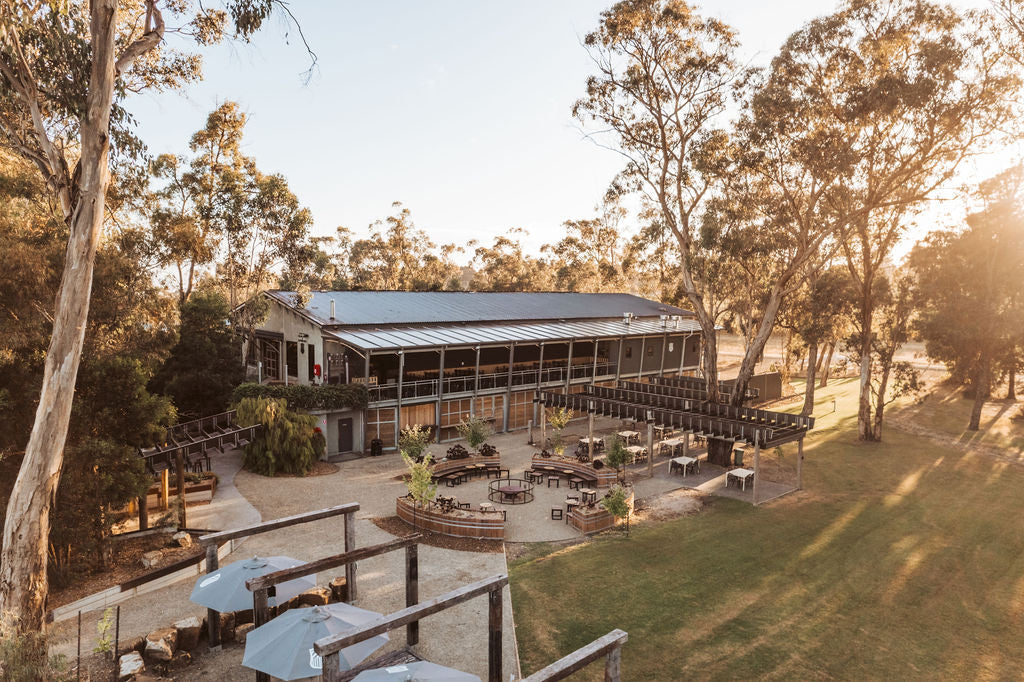
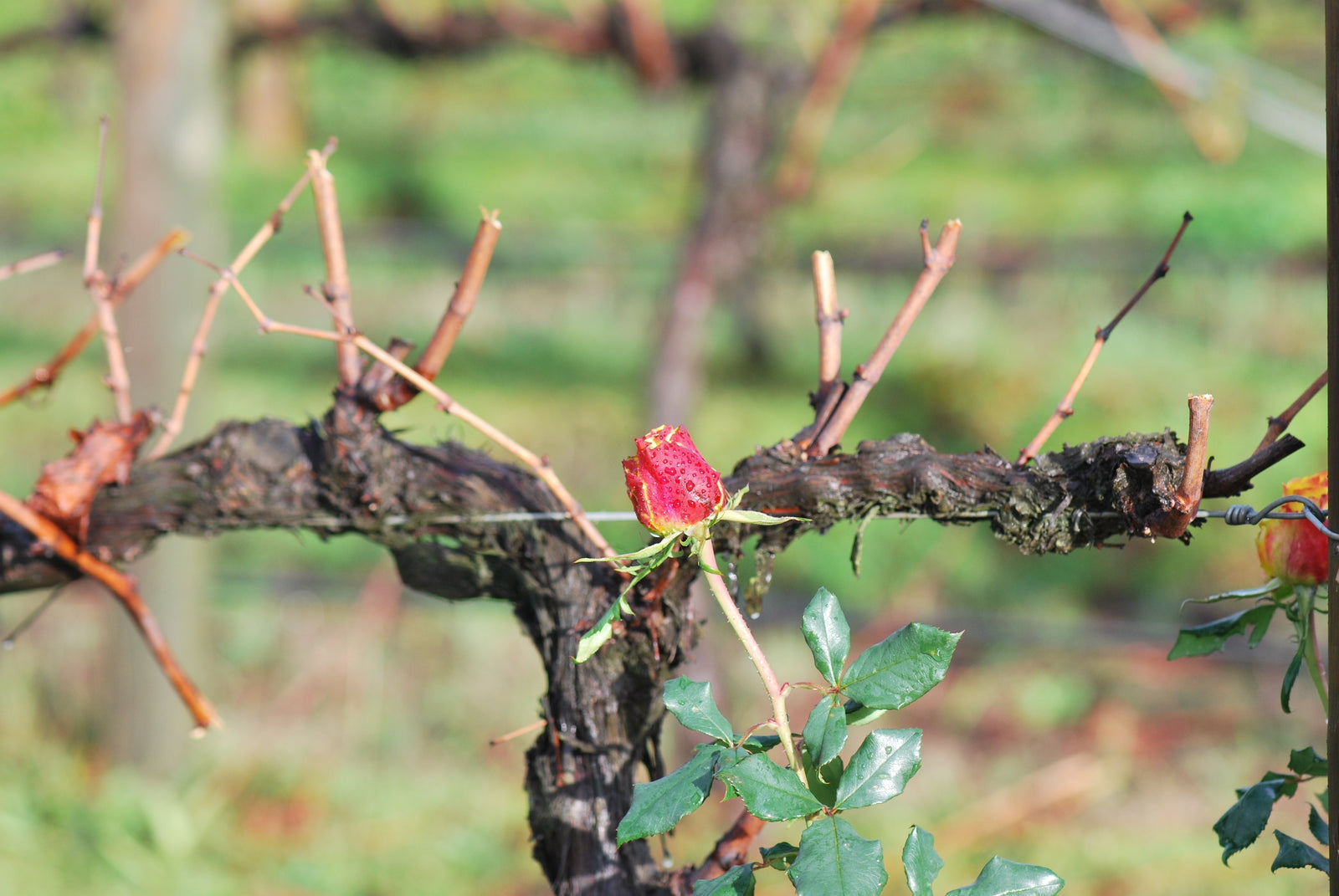
If you have ever visited Helen’s Hill in July, you know it has a raw, quiet beauty. The leaves are gone, the tourists are mostly huddled inside by our CD fireplace, and the vines look like gnarly, sleeping sculptures. But behind that peaceful view is a massive, relentless physical race against the clock. Every single one of our tens of thousands of vines has to be cut back, by hand, before the first warmth of spring wakes them up.
Naturally, being the hands-on proprietor that I am, I decided to join the crew one morning. I wanted to show solidarity. I wanted to smell the earth. I wanted to prove that thirty years in the wine game hadn't made me soft.
I lasted exactly 45 minutes.
 The Anatomy of a Sore Back
By minute ten, the romantic image of the thoughtful winemaker wandering through the winter fog had completely evaporated.
Pruning is not a casual stroll; it is a repetitive, mathematical exercise in cold weather. You are bent double, squinting at canes, deciding which ones to keep for the next vintage and which ones to sacrifice. Make the wrong cut, and you’ve just ruined next year's crop on that vine. No pressure.
By minute thirty, my lower back started sending frantic morse code messages to my brain. By minute forty-five, my fingers were so frozen I couldn't tell if I was squeezing the secateurs or my own thumb.

The vineyard crew-who move down the rows with the speed and precision of elite athletes - were already two blocks ahead of me, quietly amused. I did the only honourable thing a boss can do in that situation: I fired myself, muttered something about an urgent spreadsheet at the Cellar Door, and retreated to the warmth of the office to make a coffee.
People think the magic of wine happens in the winery during harvest. It doesn't. The magic happens right now, in the freezing mud, by people with incredible patience and indestructible lower backs. So, when you open a bottle of our Syrah or Chardonnay later this year, take a moment to thank the crew who stood in the freezing wind to cut the path for it.
I’ll be the one thanking them from inside the bistro, right next to the heater, enjoying a wine “that I made”.
 Allan’s Ideal Winter Recovery Menu
After my brief but exhausting pruning career, I started thinking about what I would most like to eat and drink after a cold day in the vineyard.
This is my ideal winter dinner. It is warm, generous and best enjoyed slowly with good people around the table.
To start
Wood-fired local mushrooms with garlic butter and thyme, paired with our 2025 Luminosa Fiano.
Mushrooms, garlic and butter are hard to beat on a cold evening. The Fiano has enough texture to complement the richness, while its freshness cuts through the butter and keeps the dish from feeling too heavy.
For the main course
Slow-braised beef cheek ragu with hand-rolled pappardelle, paired with our 2021 Old Orchard Cabernets.
This is proper winter comfort food. The beef cheek becomes beautifully tender after hours of slow cooking, and the Old Orchard Cabernets bring dark fruit and fine structure that work perfectly with the rich sauce.
It is the sort of meal that makes you forget how cold it is outside.
To finish
Warm sticky date pudding with butterscotch sauce and double cream, served alongside our 2021 Hilltop Syrah.
It is not the most traditional match, but it is one I enjoy. The Syrah’s dark fruit and savoury spice provide a counterpoint to the sweet butterscotch and make for a satisfying end to the evening.
Our vineyard team is outside working hard to create the wines of future vintages. In the meantime, our current releases are ready to be opened, shared and enjoyed around your winter table.
- Allan